
Handling industrial gas cylinders requires care, awareness, and proper training. Whether you’re working in a factory, construction site, or laboratory, understanding how to safely store, transport, and use gas cylinders can prevent accidents, injuries, and costly damages.
In this article, we’ll walk through essential safety tips and best practices to help ensure safe and efficient handling of industrial gas cylinders.
🧯 1. Understand the Risks
Industrial gas cylinders contain gases under high pressure, which can pose risks such as explosions, fires, leaks, or asphyxiation. Even seemingly harmless gases can become dangerous when handled improperly.
Key rule: Always treat every cylinder as potentially hazardous, regardless of its size or gas type.
🧠 2. Know Your Cylinder
Each gas cylinder comes with a label and color code indicating its contents and associated hazards.
✅ Check the label before using or moving any cylinder — never rely on the color alone.
⚠️ Do not use damaged or unmarked cylinders. If the label is missing or unreadable, return it to your supplier immediately.
🚚 3. Handle with Care
When moving gas cylinders:
- Always use a cylinder trolley or cart — never roll or drag cylinders.
- Keep valve caps tightly in place during transport.
- Avoid dropping, striking, or lifting cylinders by the valve.
- Move cylinders upright and securely fastened to prevent tipping.
🏗️ 4. Store Safely
Proper storage reduces the risk of leaks and accidents.
Best practices:
- Store cylinders upright and secured with chains or straps.
- Keep them in a well-ventilated, dry, and shaded area, away from direct sunlight and heat sources.
- Separate full and empty cylinders and different gases (flammable, oxidizing, inert) by at least 6 meters or with a fire-resistant wall.
- Do not store near oil, grease, or combustible materials.
🔧 5. Use Correct Equipment
Always use regulators, valves, and hoses designed for the specific gas type and pressure.
Mixing or improvising with incompatible fittings can cause leaks or bursts.
Check before use:
- Inspect for wear, corrosion, or damage.
- Never attempt to repair or modify a regulator or valve.
- Use leak detection solution, not open flames, to check for leaks.
🚨 6. Be Prepared for Emergencies
Accidents can still happen despite precautions.
Ensure all personnel are trained on emergency procedures such as:
- Shutting off valves quickly and safely.
- Evacuating the area if a major leak occurs.
- Reporting incidents immediately to supervisors or safety officers.
Keep fire extinguishers, first-aid kits, and emergency contact numbers accessible at all times.
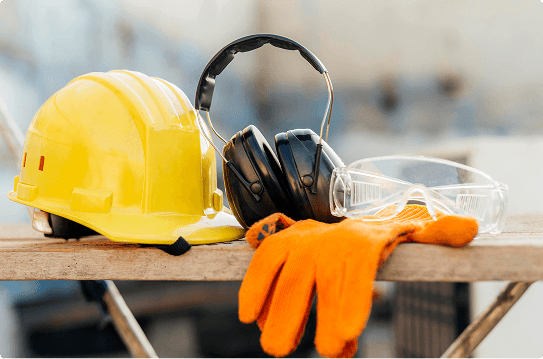
🧤 7. Personal Protective Equipment (PPE)
Always wear proper PPE when handling or working near cylinders:
- Safety gloves
- Safety shoes
- Eye protection (goggles or face shields)
- Flame-resistant clothing (for flammable gases)
These not only protect against leaks but also from burns or flying debris if a cylinder is damaged.
🧩 8. Training and Awareness
Regular safety training ensures everyone on-site knows how to:
- Identify hazards.
- Handle gases safely.
- Respond effectively during emergencies.
Encourage a culture of “Safety First” where every employee takes responsibility for proper gas handling practices.
✅ Conclusion: Safety Starts with You
Industrial gas cylinders are essential to many industries—but their convenience comes with responsibility.
By following these safety tips—knowing your gas, using proper tools, storing safely, and staying trained—you can prevent accidents and keep your workplace safe.
Remember: Safety isn’t optional—it’s a daily commitment.
